not quite as old as the 300-year-old woman!

not quite as old as the 300-year-old woman!
(I’ve already put this in a comment but wanted to see if making it a top-level Post would do more interesting formatting, such as embedding the pages at the end of the links)
Here were the other “literary” oriented classes I was considering:
Kierkegaard’s Fear and Trembling
But this would be just manufacturing interest, not totally sincere
A First Experience with Finnegans Wake Part One
Of course the issue of my book-removal process would be, if anything, even more acute than with the Nabokov. There is really only one edition and pagination, and I had it in a firm and trusty hardcover that already had lots of notes. Ah well.
The Black American Novel
I really enjoyed instructor Paul Cato’s class a while back on Ellison’s Invisible Man, and almost took his class on James Baldwin
Robert Musil, The Man Without Qualities
This is a book I’ve heard good things about for a long time.
Probably I’m overdoing it, but after perusing the summer course offerings from Graham, I signed up for two more. I was already signed up for the online music class with John Gibbons, but added the in-person Saturday one-day session with John on American music.
And after looking into three or four literature classes, I signed up for one on Nabokov. This will be online, Tuesday evenings ; John’s ongoing music class is Tuesday mornings, so I may start to feel overloaded with these. But time will tell.
My “Nabokov collection” of physical books — about 35 volumes by or about him — has already been packed up and taken by Open Books. So looking at the readings for this class gave me some pangs. But all my books were pretty old, and might not have been the right editions – to find and discuss passages you need everybody to have consistent page numbers. These e-books (I use Kindle app on iPad and sometimes on my desktop, not a Kindle device) have a “locations” system with display-pages that have little to do with the pagination in the solid book. But if derived from the same edition the Kindle display can show what the original page number is for the location you are at. And if people can be convinced to always mention a couple words from the beginning of the passage they want to discuss, it can work out okay.
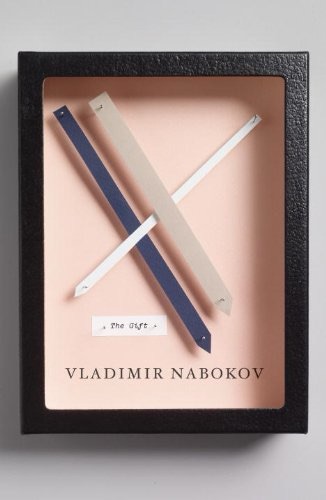
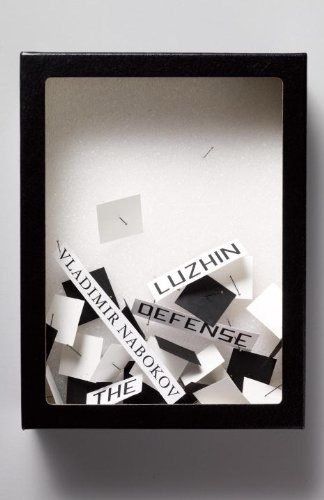
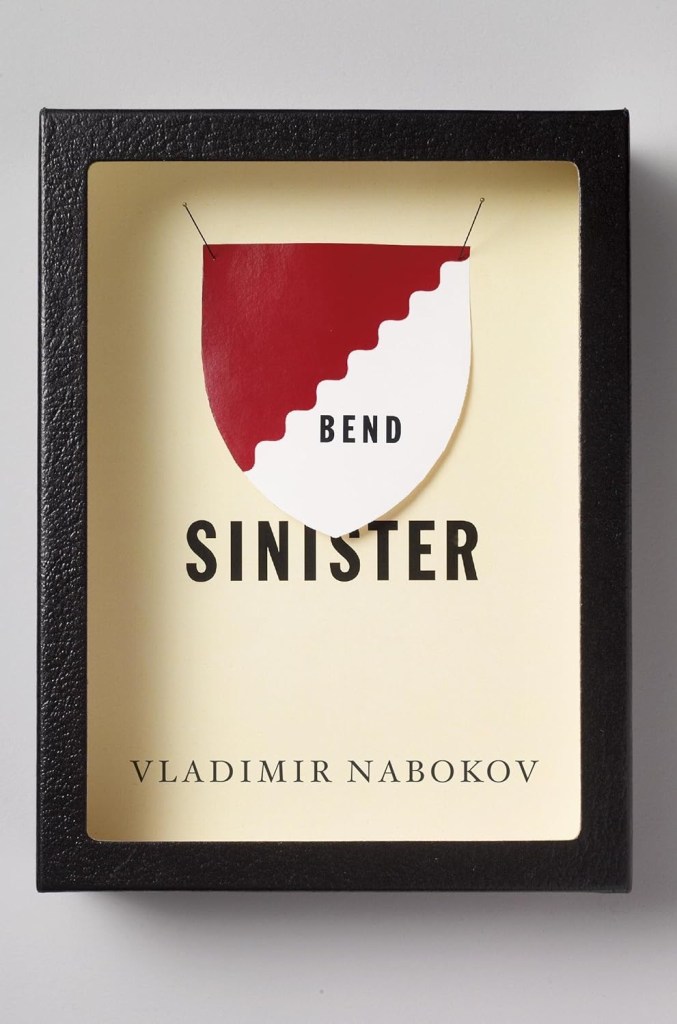
The books will be:
The Defense (but now bearing the full title The Luzhin Defense)
The Gift
Bend Sinister
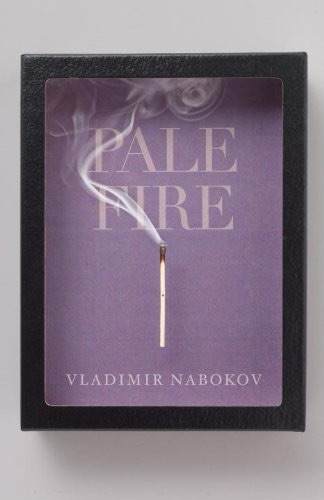
Pale Fire
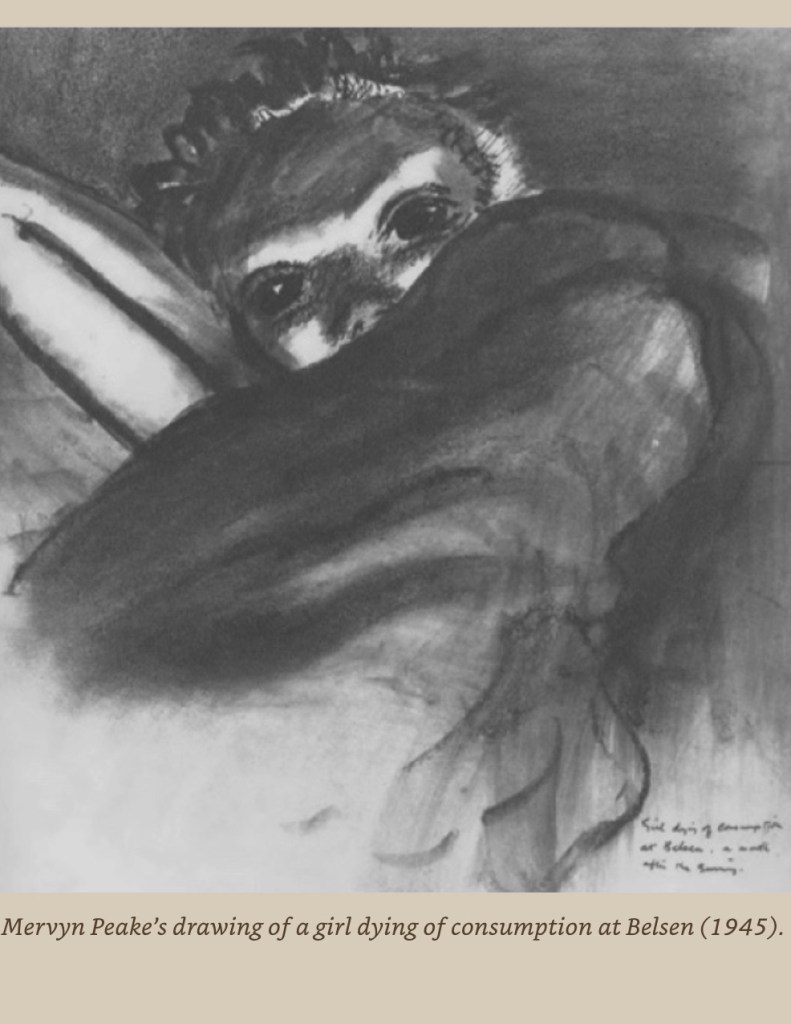
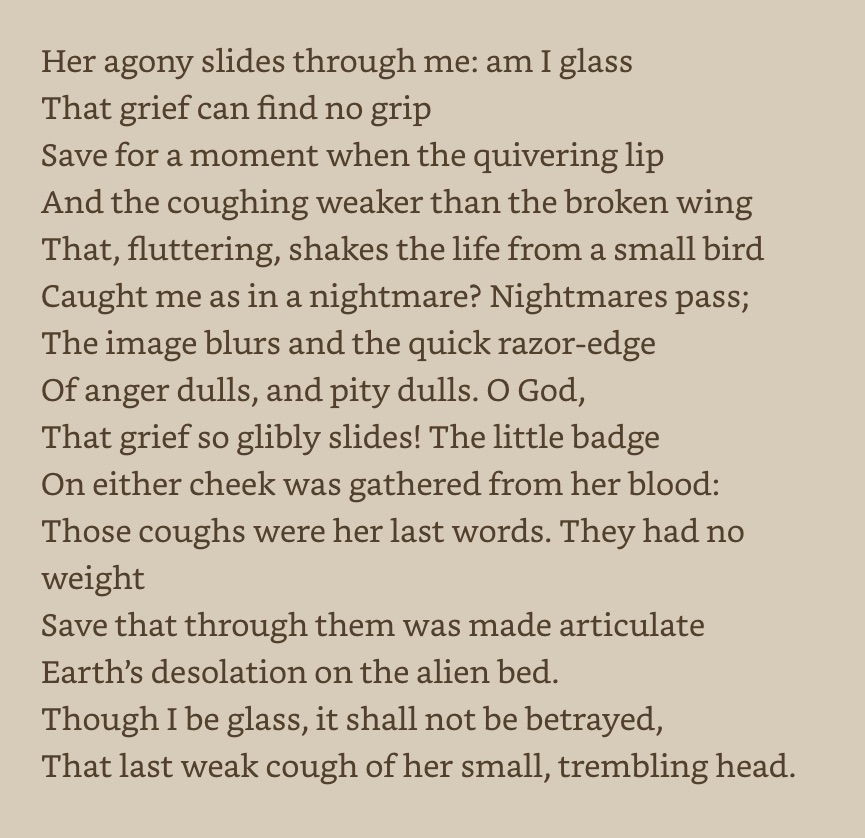
I was on the verge of sleep, but wanted to take a moment to peek into the Kindle edition of Andrew Doyle’sThe End of Woke, which I had just bought. I started from the cover (the give that option, or the beginning of the real text), and on the verso of the title page I went thru the copyright notices and credits. I was intrigued by this mention of Mervyn Peake, whom I think of as a writer and not a graphics artist.
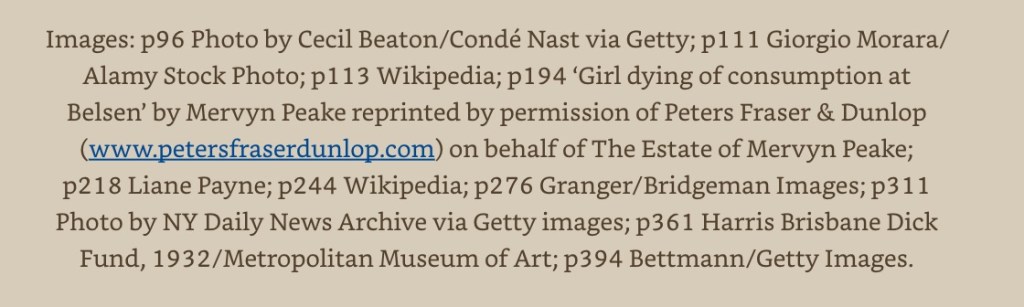
I couldn’t find it, and blamed the way Kindle “locations” may not match published pages. But in fact my error was from not catching on to the format in that copyrights blob and seeking page 218 when it should have been 194.
But the iPad Kindle app (which I am using rather than a dedicated Kindle device) does provide search so I searched for… “Auschwitz”. Um, oops! Correcting it to “Belsen” I found not only the drawing, but Peake’s poem reprinted, and Doyle’s passage discussing them.
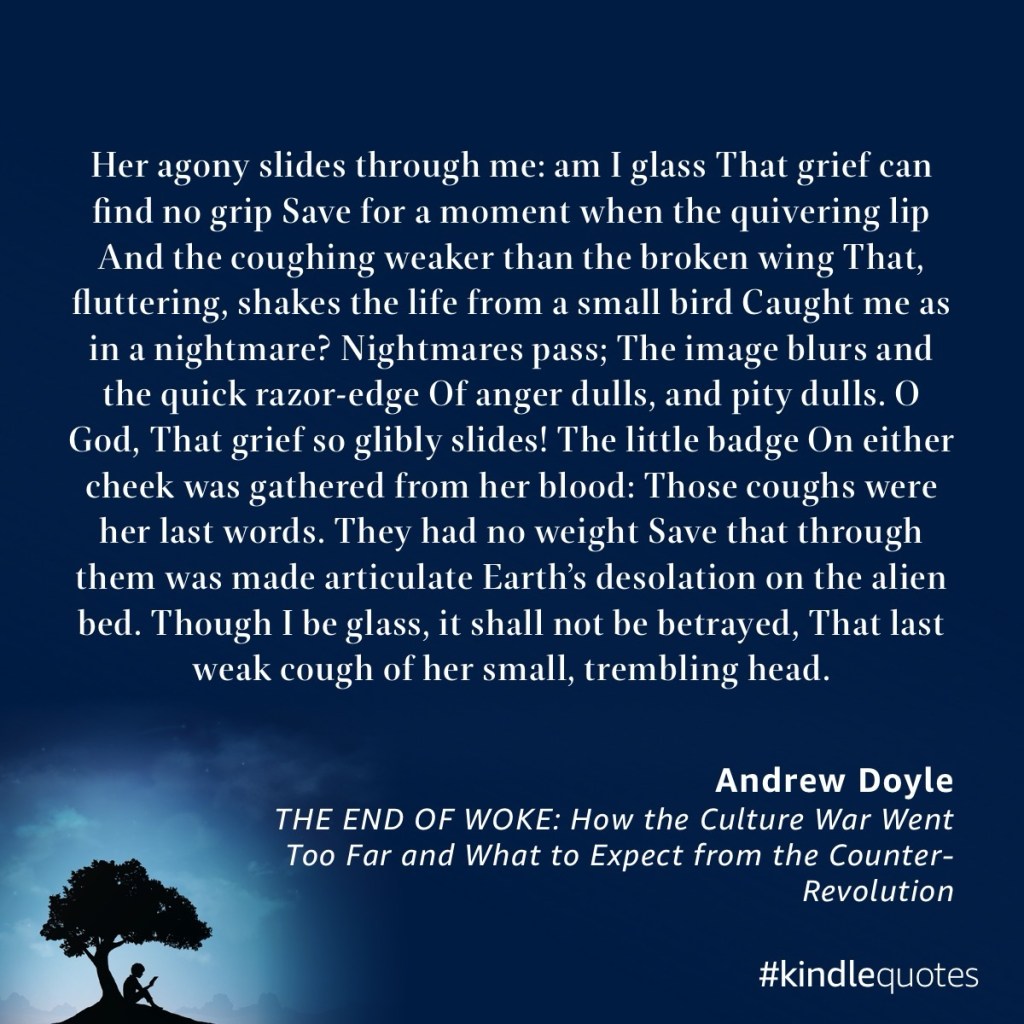
(This unfortunately wipes out the lineation, but you are invited to restore it mentally)
Or here it is:
It’s been a while since I read the Titus books. (And at the time, there were only four books in what was still styled “The Titus Trilogy” — there are now some five or six, don’t ask how.) And certainly Titus Alone felt like a painful shifting of gears. So it is interesting to hear about this era of the writer’s life and the experiences that may have colored the writings.
Interesting bit on her reflections on composing “Alexandra Leaving”
https://www.ft.com/content/cfa993f0-ffb9-11e2-b990-00144feab7de
 Work on what has been spoiled (Decay)